Choosing commercial laundry support starts with the textiles your business actually uses. A provider that sounds convenient in a general advertisement may still need to review item types, quantities, handling expectations, and transportation before deciding whether the work is a fit.
For businesses researching commercial laundry services in Bowling Green, KY, a useful conversation goes beyond asking for one price. You need to understand the proposed scope and how it would work alongside daily operations. The following questions help you prepare without assuming any provider offers a particular contract, turnaround, industry certification, or pickup arrangement.
Describe the laundry before requesting a quote
Start with an inventory of the washable items that generate work for your team. Record what they are, what the care labels say, and whether they have any handling concerns. “A bag of laundry” gives a provider much less useful information than a clear description of the textiles involved.
Separate ordinary washable items from anything that requires specialized care. Explain the condition of the laundry honestly. Do not assume a standard wash, dry, and fold service can handle hazardous, contaminated, oil-soaked, or regulated materials. Ask about suitability before transporting or sending questionable items.
BEFORE YOU REQUEST A QUOTE
Prepare a practical item list
- Textile type and relevant fabric or care-label information.
- Approximate amount generated during a normal operating period.
- Any unusual soil, handling, identification, or storage concerns.
- Seasonal changes or occasions when the amount is different.
- How the business currently gathers and stores laundry.
Give a realistic picture of volume
A typical week may be different from your busiest week. Explain both if that distinction matters to your business. Use information you can describe consistently, and ask the provider how it would prefer volume to be measured for a quote. Avoid turning an uncertain estimate into an assumed service commitment.
Think about what happens between collections or drop-offs. If your business needs clean items while another batch is being processed, that is a planning issue to discuss. Do not assume a provider supplies replacement stock or manages your inventory unless that is explicitly part of an agreed arrangement.
Ask what consistency means in practice
Consistency should be described in terms your team and the provider can both understand. You might need to discuss how items are gathered, what finished handling is appropriate, how concerns are communicated, and how the proposed arrangement is reviewed if your needs change.
Ask which expectations can actually be supported. A business requiring specialty sanitization, particular documentation, or regulated handling should state that at the start. Standard commercial laundry should not be presented as a substitute for a specialized process that has not been confirmed.
Work through the logistics, not just the wash cycle
Identify the location where laundry would be handed over and returned. Explain building access, the person responsible for the handoff, and any limits on when that person is available. Then ask which transportation and scheduling options the provider can offer for that location.
Pickup logistics should be confirmed separately from the fact that a business offers laundry processing. A regional service description does not establish collection at every address. Similarly, a preferred day or return time is a request until the provider has reviewed it and agreed to the relevant details.
Compare quotes that describe the same work
Two quotes can look different because they cover different services, item categories, or handling requirements. Ask what each quote includes and what information could change it. If transportation or special handling is involved, make sure you understand how it is addressed rather than assuming it is included.
Also ask about any terms relevant to starting, changing, or ending the arrangement. This article does not imply that JRae requires a contract, offers a particular minimum, or follows a fixed commercial pricing structure. Those are details to establish directly for the actual business and laundry involved.
Choose a clear communication process
Designate someone in your business who can answer laundry questions and receive information from the provider. That person should understand the items, the handoff process, and the expectations already discussed. A consistent point of contact can prevent different staff members from giving conflicting instructions.
Before work begins, ask how to raise a concern about an order or request a change. The goal is a usable communication path, not an assumption that every message or last-minute request can be acted on immediately. Keep the accepted details available to the staff members who handle laundry.
What JRae Laundry’s published information confirms
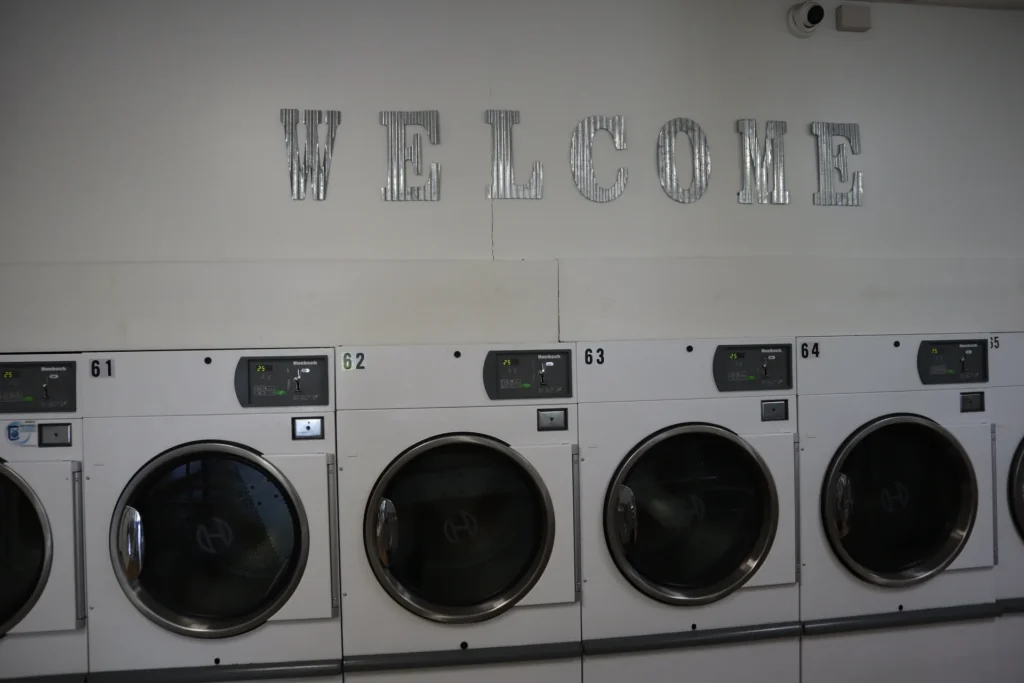
JRae’s commercial laundry service page describes discussing business laundry needs, reviewing item eligibility and handling requirements, and considering volume, location, frequency, and scheduling when evaluating service. The work described involves professional laundry processing at its Bowling Green facility.
That is a starting point for a conversation, not a guarantee that every business, industry, textile, or requested arrangement can be accepted. A business in Franklin or Scottsville should explain its exact location and requirements rather than inferring eligibility from a regional page title.
Bring an informed request to the first conversation
Prepare your item list, volume estimate, location, current laundry challenge, and the questions that would affect your decision. If a detail is unknown, say so and ask how to clarify it. An accurate request is more useful than a lengthy proposal built on assumptions.
Contact JRae About Commercial Laundry to discuss available services and request a personalized quote. The inquiry page provides direct phone and email contact options so you can start with the specifics of your business.